
How I Buy Groceries for a Family of 3 for Around $100 a Week
When my oldest son was around six months old, life took a sudden turn: my two-year-old niece came to live with us. At that time, my (now ex) husband was in school, and I had just gone back to work after maternity leave. Our income was limited, and we had to figure out how to feed everyone—ourselves, an infant, and a toddler—on a tight budget. That was the moment I became extremely focused on grocery shopping.
Once a month, I’d create a detailed meal plan, scour supermarket flyers for the best deals, cut out every relevant coupon, and hit four different grocery stores over one weekend. That monthly trip formed the core of our food budget, which included diapers and formula. If you’ve ever bought diapers and formula, you know how those alone can skyrocket your expenses. I’d do smaller trips as needed later in the month for things like milk and produce.
Armed with a giant binder of coupons filed by category, I’d navigate each store with an infant and a toddler. Cashiers would high-five me at checkout because I’d save 50% or more off the total bill by combining sales with coupons. I fed our whole household on about $100 a week—diapers, formula, everything. That intense level of planning took hours and hours every month, and although it was highly effective, I wouldn’t call it sustainable for everyone’s lifestyle.
Evolving My Approach
These days, I’ve significantly simplified my methods, but I still manage to keep our grocery bill around $100 a week for me and my two sons, who are now nine and thirteen years old. Instead of spending hours poring over ads and going to multiple stores, I now rely on a few straightforward strategies that only require about one or two hours a week for planning, shopping, and putting groceries away.
It might mean shifting how you view shopping, cooking, and feeding your family, but it doesn’t require any specialized skills or a ton of extra time. I’d love to share how I do this, so you can pick and choose the pieces that fit into your own schedule.
For context, I live in Connecticut, roughly 15 minutes outside of Hartford. According to a recent US News & World Report article, Hartford was named the most expensive place to live in the country in 2024. So, if I can do this in a high cost-of-living area, there’s a good chance you can adapt it to wherever you live. (Link to the article is at the bottom of this post.)
Meal Planning
I can practically hear the collective groan at the mention of “meal planning.” It might seem time-consuming or boring, especially if you like spontaneous meals. But if you’re feeding yourself or your family every day, you’re already “meal planning”—just in smaller, more frequent bursts that often cost more in both money and time.

Think about it: going to the store each day on the way home from work is its own form of daily meal planning. This habit often leads to greater spending on impulse purchases. You might buy one item needed for dinner and throw in a few extras because they happen to catch your eye. You might also only use a portion of something and end up wasting the rest.
Why Weekly Planning Saves Money
Sitting down once a week to plan meals doesn’t have to be a massive undertaking. A single session can spare you those repeated daily trips to the store, which usually lead to higher grocery bills. I do my meal planning on the weekend, looking at what’s already in the fridge, freezer, and pantry. Sometimes I have chicken in the freezer, or veggies, or a leftover soup I saved. If so, I center at least one meal around those items.
If I’m looking for new recipe ideas, I have a couple of favorite websites I turn to (linked at the end of this post). If I find something interesting, I’ll email the recipe to myself and store it in a “Recipes” folder in my Gmail. That way, I always have quick access to ideas I’ve tried or want to try.
Keep a Running List
One of the simplest ways to streamline grocery shopping is to maintain a running list of items you need or want. We keep a magnetic notepad on the refrigerator, along with a pen. Whenever we run out of something or realize we’ll need it soon, we write it on the notepad. My kids often add their requests—things they’d like to see in the house.
This not only prevents me from forgetting items but also cuts down on those last-minute store runs. Fewer store visits means fewer chances to grab extra items I don’t really need. It’s such a small habit, but it makes a big difference in how organized I feel and how steady our grocery spending remains.
Shop Online
I was never big on online grocery shopping until I realized how much more I spend when I go into the store. Being surrounded by “deals,” endcap displays, and tempting treats—especially with kids along—ramps up my total pretty quickly.
When I shop online, I notice I stick to my plan, take advantage of digital coupons, and can clearly see the weekly sales all in one place. There’s often a small fee for pick-up or delivery, but for me, it’s still much less than the extra money I’d spend on impulse buys in person. Recently, I went to Aldi in person with my kids. While it was a good experience, I spent 50% more than my usual weekly budget, simply due to impulse buys and my kids asking for items not on the list.
Online grocery shopping allows me to “window shop” digitally, looking at sales and adding items to my cart thoughtfully. I can easily buy larger quantities of sale items and freeze or store them for future meals without feeling rushed or distracted by in-store noise.
Shop in Your Home
Before you finalize your meal plan or grocery list, take stock of what you already have. You might be surprised by the meals you can create from existing items. Many of us have half-used bags of pasta, leftover veggies in the freezer, or spices we haven’t touched in months. A quick “inventory check” can help you avoid buying duplicates and making impulse buys for items you already own.
Pick a Day to Make Your Meals
One of the biggest time-savers for me is setting aside one day—usually Sunday—to cook a couple of larger meals. I’m not hovering over the stove all day; sometimes I’ll toss something into a slow cooker and let it handle itself. My 13-year-old is also interested in cooking now, so he’ll pick a recipe, and I’ll hang out with him while he cooks (to make sure he doesn’t burn the house down!).
I tend to make at least two main dishes to cover most of the week. This might mean a soup, stew, or crock pot meal (great for leftovers) and then something else the kids really enjoy. That way, if we get home late from martial arts or basketball practice, we can just heat up leftovers instead of ordering takeout. It’s also helpful for lunches. I’ll pack leftovers, or my kids can heat something up for a quick meal.
My Actual Grocery Order and Meal Plan
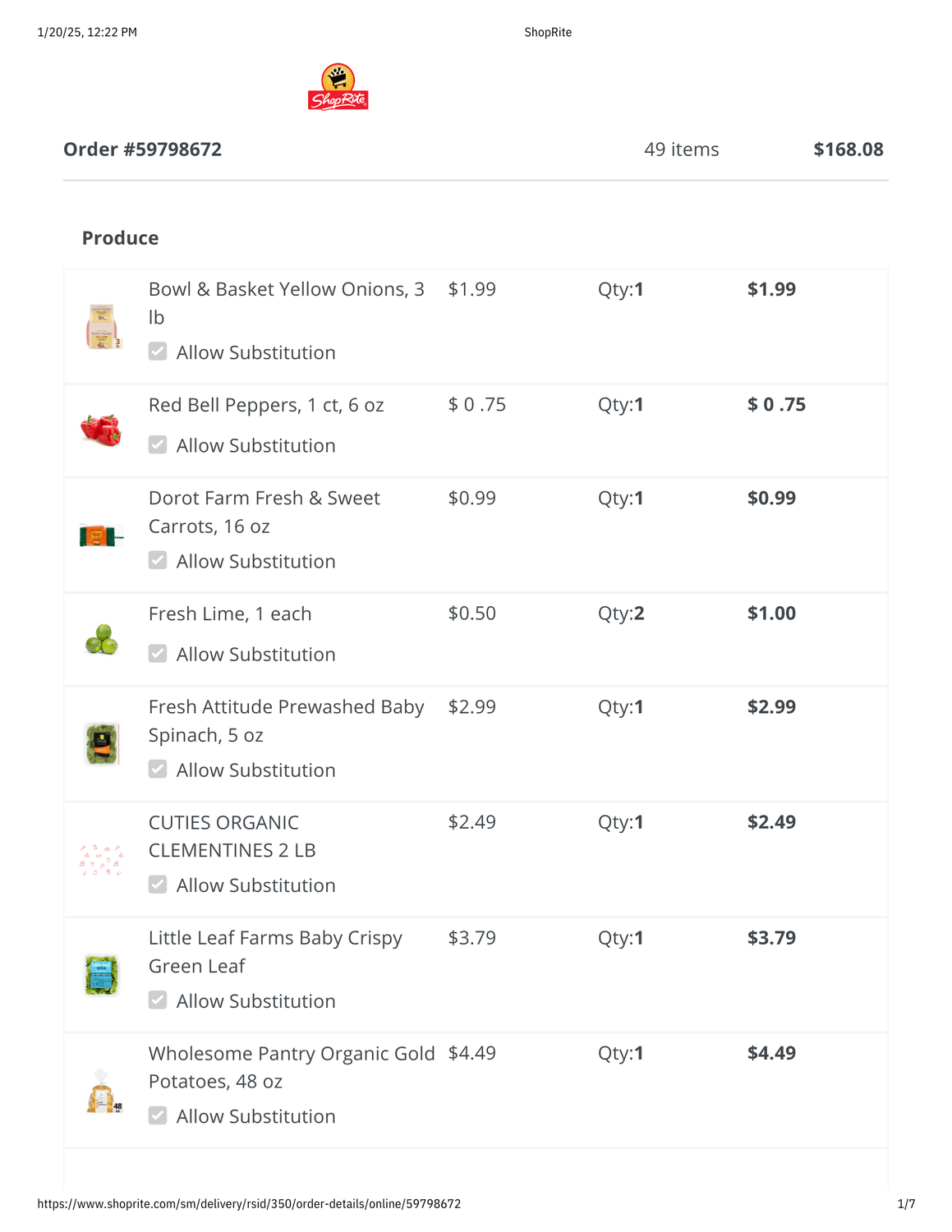
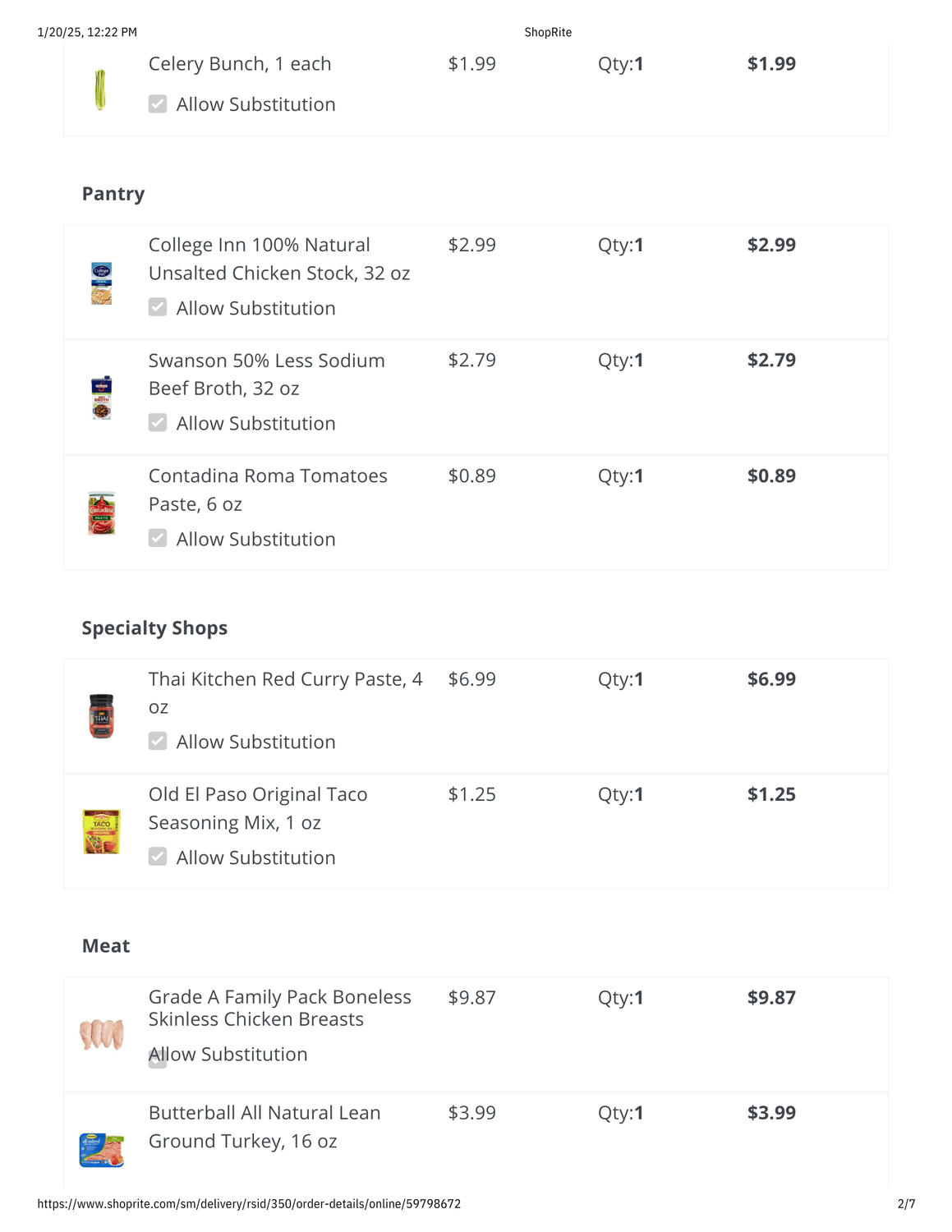
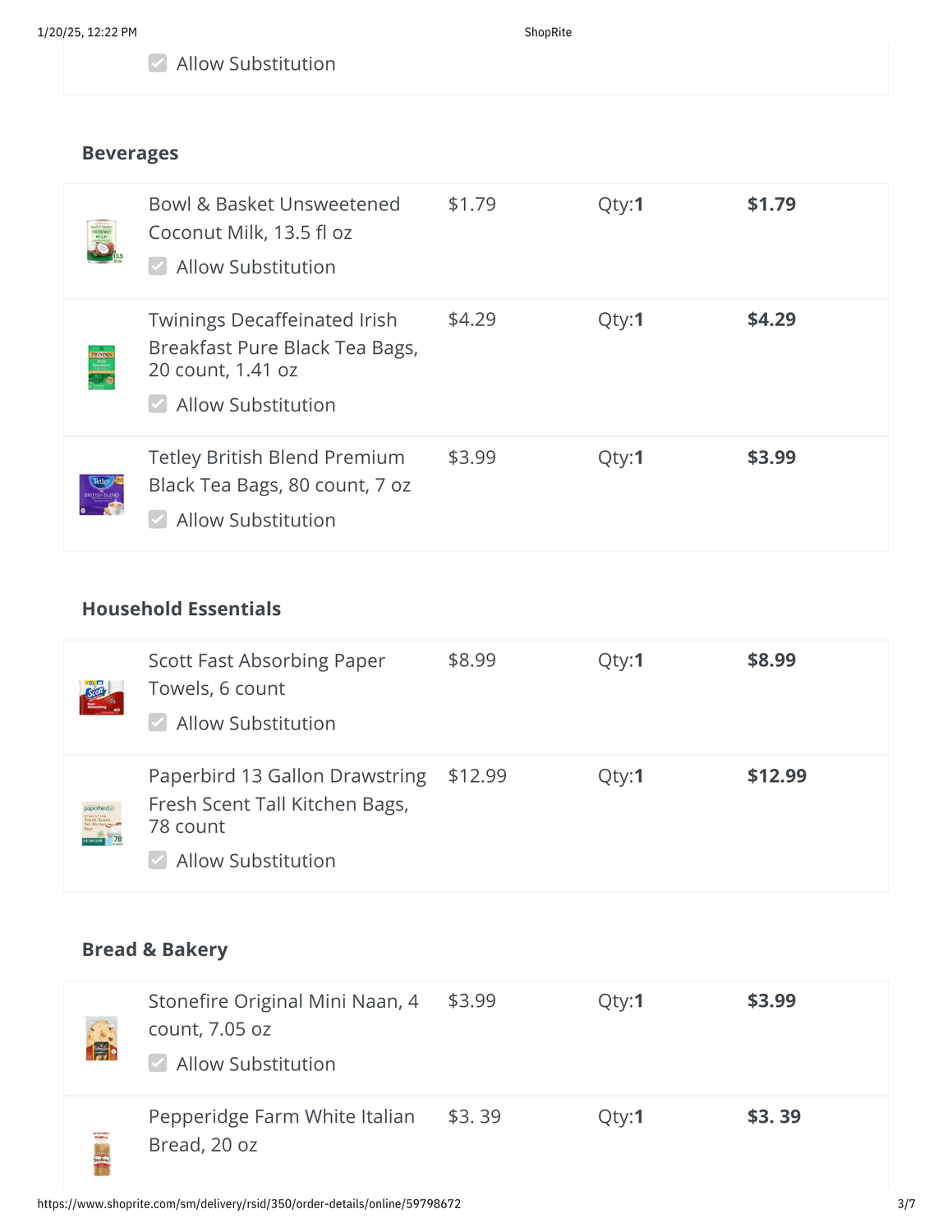
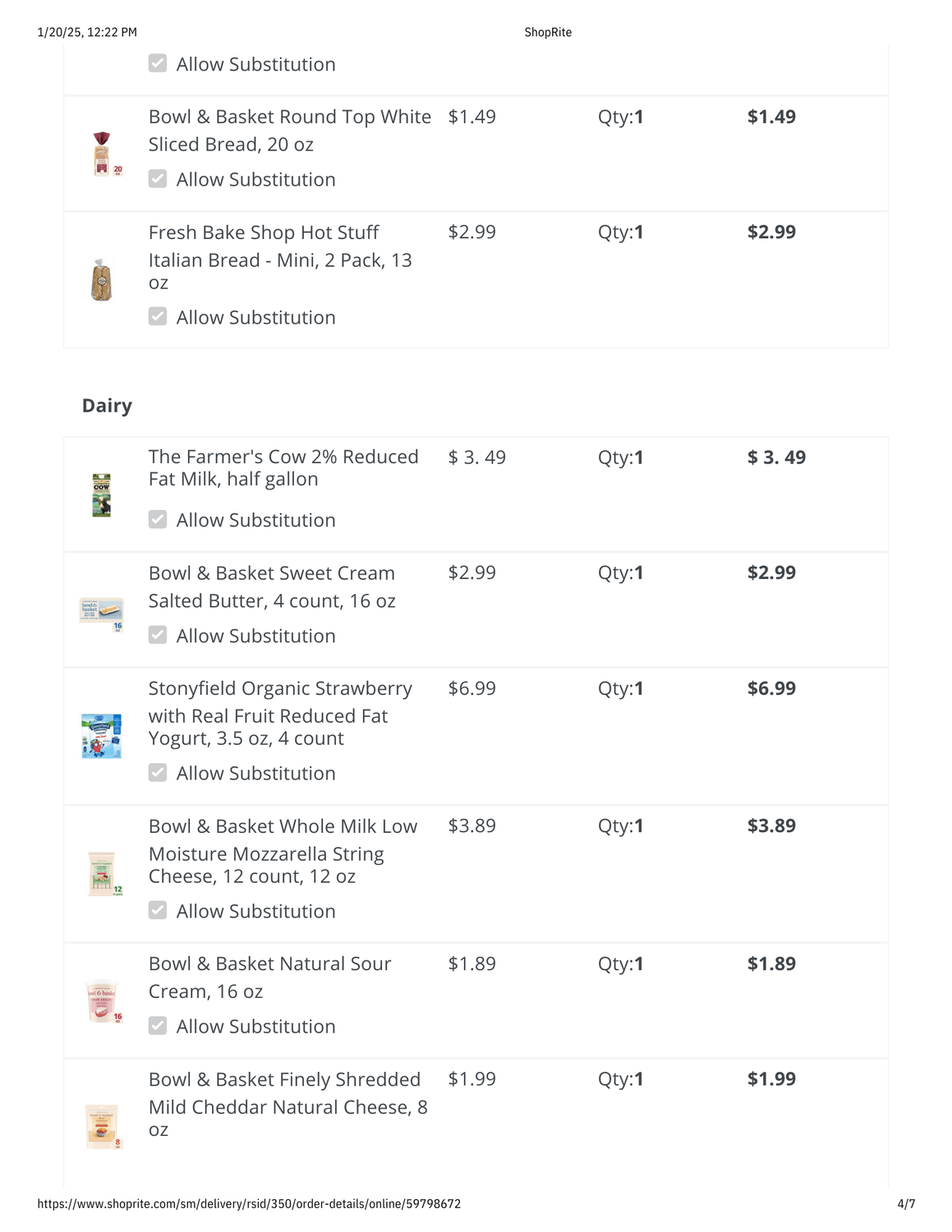
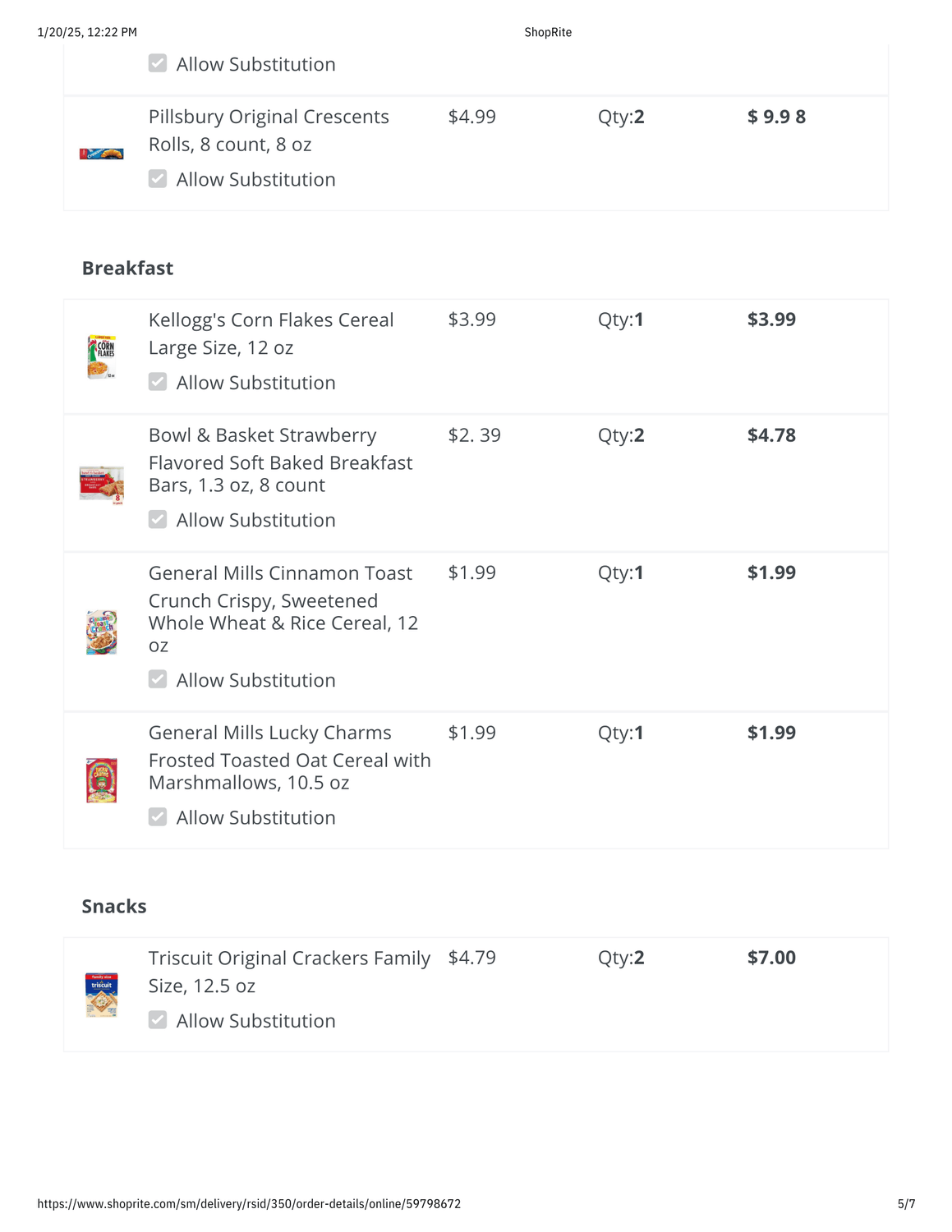
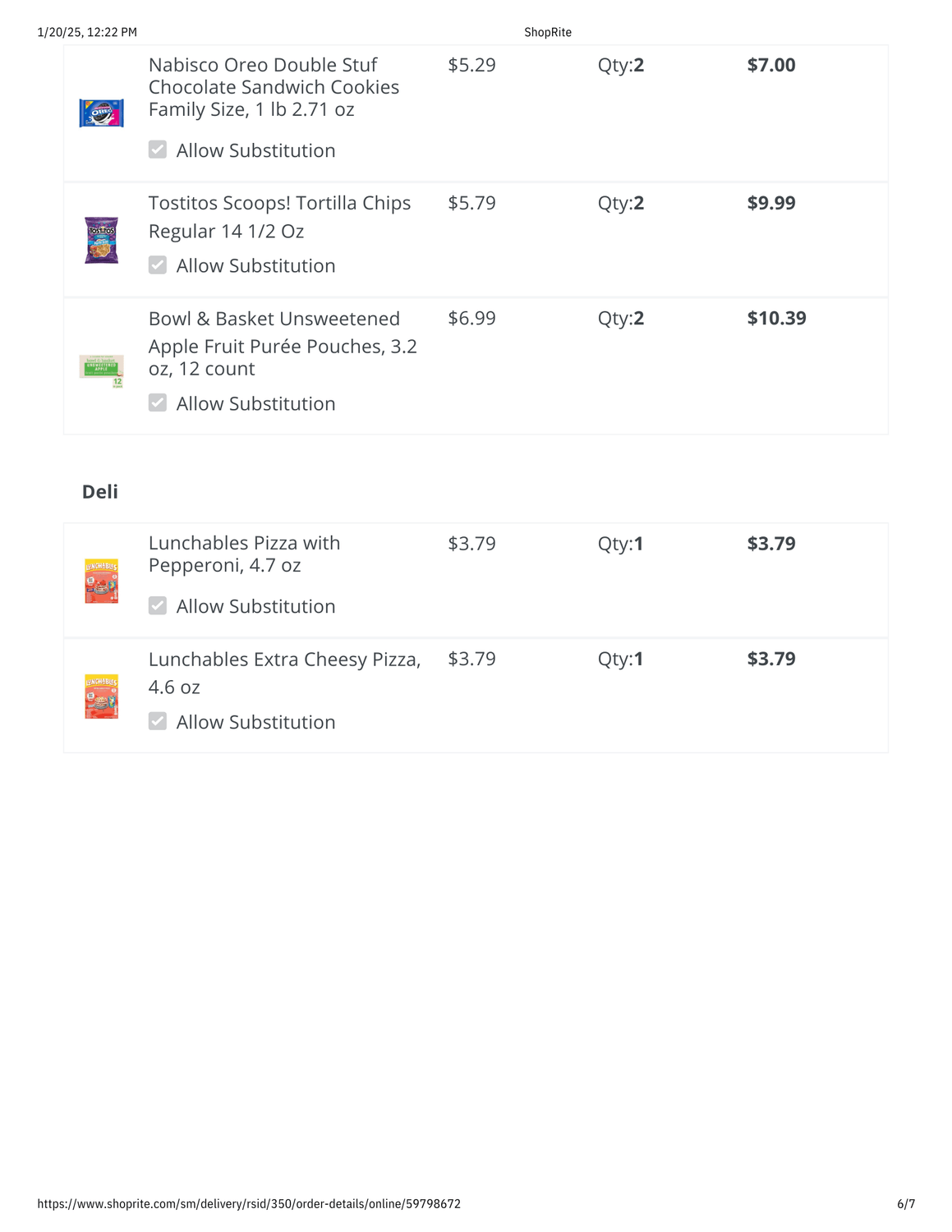
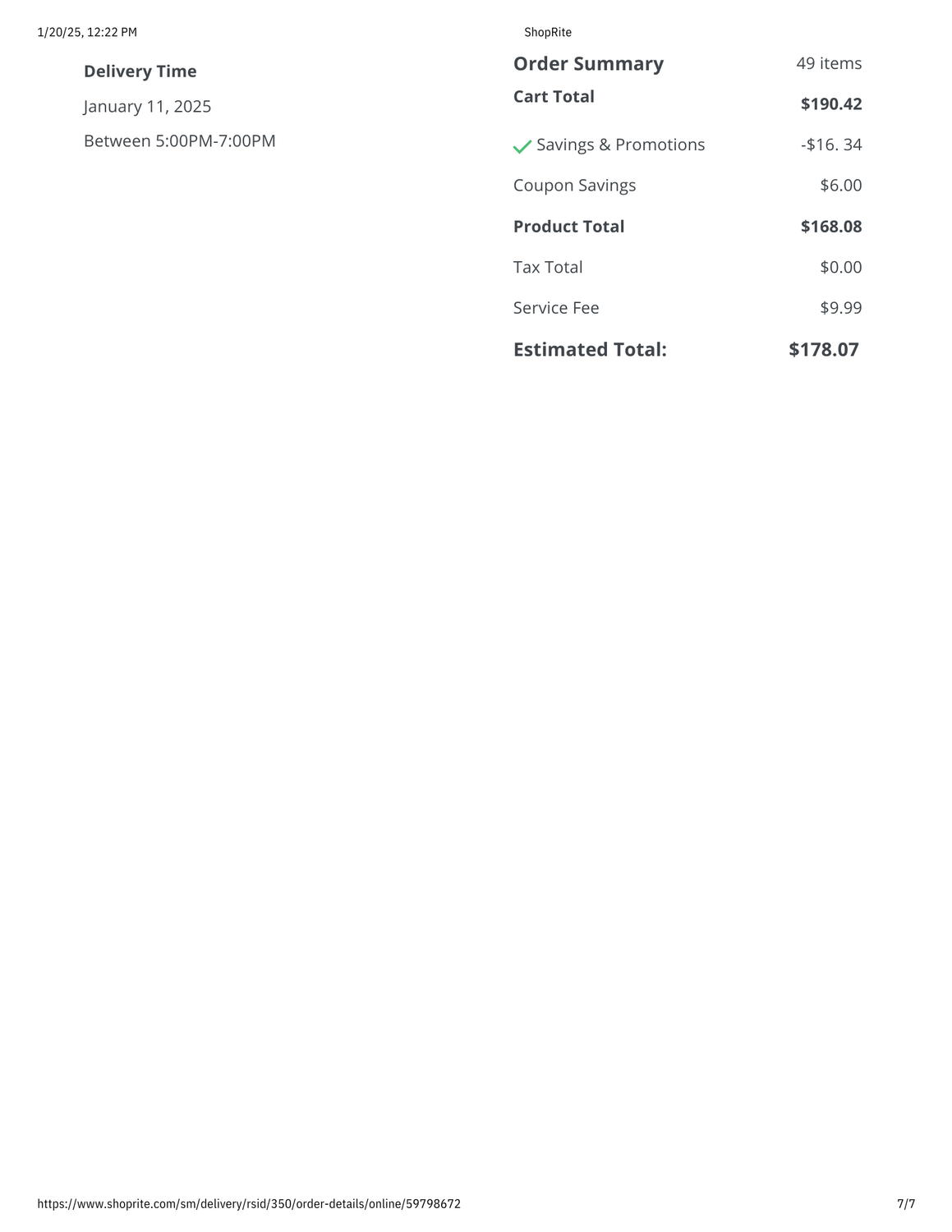
To give you a concrete example, here’s what happened recently when I hadn’t gone shopping in about two weeks. I ended up spending a little under $200 total at the grocery store. I also visited a local family farm to buy stew meat for $8.50 a pound. The quality was fantastic, and the stew was delicious—so if you have local farms or farmers markets nearby, it might be worth checking their prices.

Here’s what I made on Sunday:
Beef Stew
Chicken Satay (Crock Pot)
Sausage and Egg Bites
I had a large family pack of chicken, used half for the satay, and froze the rest. I also already had eggs, breakfast sausage, and frozen hash browns, so I didn’t need to buy anything else for the egg bite recipe. We also had ramen noodles on hand for a quick meal.
Throughout the week, my older son often brought beef stew in a thermos for lunch, and my nine-year-old—who prefers snack-style lunches—would pack granola bars, yogurt, string cheese, clementines, applesauce pouches, and tortilla chips.
Why This Works
I plan out the meals I want to make based on what’s already in my fridge or freezer.
I do one main grocery trip that replenishes core ingredients and fresh produce.
I focus on making meals that stretch across several days, cutting down on the temptation to order takeout or stop at a drive-thru.
I’ll pop into the store later in the week only if I need fresh milk or produce—which I also plan in my budget.
Grocery List
Below is the actual grocery haul I did recently, which ended up being around $200 because I hadn’t made a big trip in nearly two weeks. I also visited a local farm for $8.50/lb stew meat—well worth the cost for the quality. This list covers meals for myself and my two boys (ages nine and thirteen) for the week, plus restocking essentials (see complete list below). I also already had a few pantry basics, like breakfast sausage, eggs from the previous week, and ramen for a quick meal. The plan ensured we had diverse meal options without mid-week store trips—helping keep our overall grocery spending in check.
Remember To Keep It Real
While I once saved 50% on grocery bills with extreme couponing and four-store marathons, that level of effort isn’t realistic for my life anymore. Nor is it necessary. By focusing on a streamlined plan, making a single main trip a week (usually online), and cooking in bulk, I’ve found a sustainable way to feed my family for about $100 a week. Sometimes it goes up if there’s a special event or if I want to stock up on a great sale item, and that’s okay, too.
The goal isn’t perfection—it’s consistency and mindfulness. If you go over budget one week, regroup and see if there’s a shift you can make next week. If you find a leftover bag of veggies in the freezer, plan a meal around it rather than tossing it. These small changes add up to significant savings over time.
Recipes
Helpful Links
US News and World Report 25 Most Expensive Places to Live in the US 2024-2025
The last two websites are great for finding simple, tasty recipes that can fit into a busy schedule (and a budget).
Final Thoughts
Feeding a family on a budget doesn’t require marathon coupon sessions or giving up meals you love. It just takes a bit of planning, some willingness to cook in larger batches, and a focus on making the most of what you already have. The key is finding a system that fits into your life without becoming an extra source of stress.
If you’ve been spending more than you’d like on groceries or making too many impulse buys, consider trying the strategies mentioned here. It might be as simple as starting with a weekly meal plan, keeping a running list on the fridge, or switching to online shopping to avoid temptation. Over time, these habits can transform the way you eat, shop, and manage your money—freeing up room in your budget for whatever matters most to you.

Copyright © 2024 AJC Publications and Real Talk Finance